
“Pointing fingers at affirmative action because things didn’t go your way is not only harmful but also dismisses the challenges and hardships we have endured to even sit in those elite spaces.”
Danae
“Students for Fair Admissions” initially appears to be an organization dedicated to promoting fairness in higher education. But what if I told you that might not necessarily be the case? If you’re a student, especially a minority student starting to apply for college or currently attending college, you’ve likely heard of the term “affirmative action.”
What is affirmative action and why does it create controversy? Affirmative action is a policy implemented to address long-standing inequalities perpetuated within higher education and to offer opportunities for groups that are frequently exposed to discrimination. Specifically in the context of higher education, it aims to ensure that individuals from marginalized communities have equitable access to pursue higher education.
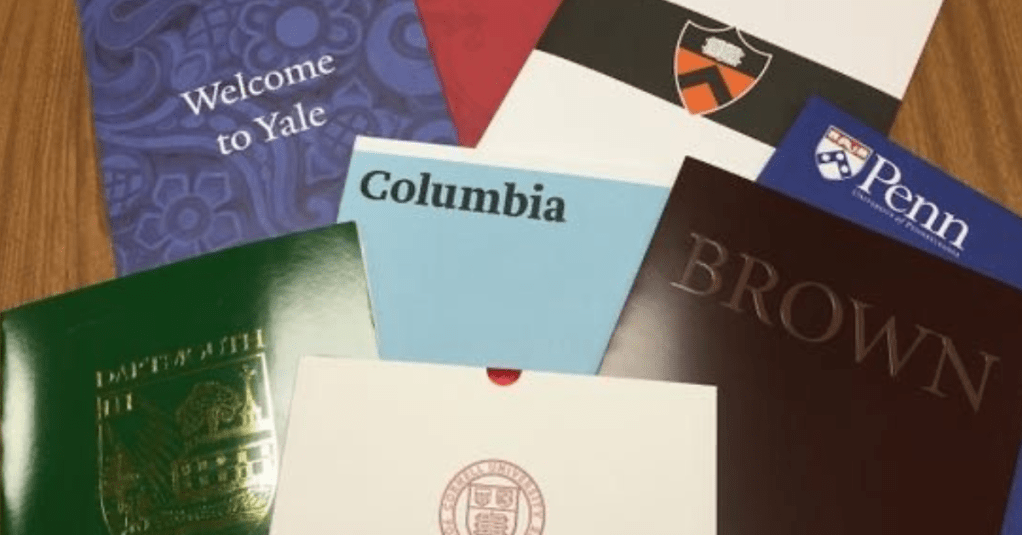
However, because the primary objective of affirmative action is to foster diversity and inclusivity within higher education, some people who don’t belong to marginalized communities feel like they’re at a disadvantage when it comes to getting accepted into elite schools like Harvard, Yale, and Princeton.
Now that we have established the context surrounding affirmative action and delved deeper into the matter, it is important to address the Supreme Court case led by Edward Blum, involving students like Jon Wang. These students assert that even though they have outstanding SAT scores and class ranks, they are being turned away from top schools like Harvard because of affirmative action. They believe that a black applicant took their place instead of their application being reviewed fairly and thoroughly. However, it’s important to understand that affirmative action serves a broader purpose. It aims to address past disadvantages and encourage diversity, rather than just swapping one person for another based solely on race. When prestigious institutions make admissions decisions, they consider many factors and strive to create an inclusive environment that represents the diversity of our society.
Because this is a widely publicized case it opens up the doors to criticize the merit of black students within these spaces. As a black student on the way to attend Barnard College of Columbia University I’ve both experienced and seen other individuals attempt to be put down and discredited for their hard work, both on the road to higher education and in the process of matriculating into these elite institutions.
So many people want to assert that affirmative action is the reason that they’re not gaining admission because their “spots” were given to black students instead. But this assertion is harmful.
Claiming that affirmative action is the sole reason for rejection from an elite university undermines the achievements of black students who have worked hard to earn those opportunities. Sure, you might argue that black valedictorians may have a higher chance of getting into top universities, but how many black students have had the resources and support to excel in the application process? The answer is very few. Pointing fingers at affirmative action because things didn’t go your way is not only harmful but also dismisses the challenges and hardships we have endured to even sit in those elite spaces. This is particularly concerning when reputable sources like the New York Times publish articles titled “Even With Affirmative Action, Blacks and Hispanics Are More Underrepresented at Top Colleges Than 35 Years Ago,” which highlight the fact that black students make up only 9 percent of Ivy League freshmen while constituting 15 percent of college-age Americans, showing that the gap remains similar to that of 1980. The article even provides charts and data indicating a decrease in white enrollment and an increase in Asian American enrollment. So how can one claim that a black person is taking away opportunities when the majority of a black student’s Ivy League classmates are predominantly Asians and white individuals?
Coming from a low-income area where interactions with admissions officers are unheard of and being part of the first graduating class at my school, where students from neighboring schools were discouraged from applying to prestigious institutions in favor of joining the army, I can proudly say that I have had to overcome immense obstacles to secure a place in Barnard’s 2027 class. Therefore, attributing my admission solely to affirmative action not only perpetuates unfair assumptions but also reinforces the stereotype that I must have achieved a mediocre GPA and only got in because I checked a box identifying myself as African American. This not only undermines my hard work but also invalidates the experiences and challenges I have faced along the way.
Although discussing this topic in a predominantly white environment may make some uncomfortable, it is not my responsibility to prioritize their comfort. My role is to educate and share my experiences. I am deeply disappointed in an organization that claims to promote equity yet targets and undermines the hard work of black students. In addition to the concerns mentioned earlier, the group “Students for Fair Admissions” also tarnished the reputation of Asians. Instead of being perceived as advocates for equity, they are seen as hindering access to higher education for minority students. While I understand the perspectives of these parties, it’s important to recognize that we are all minorities striving to succeed. Rather than targeting an already oppressed minority, it would be more effective for others to acknowledge the systemic inequalities that impact us and address these issues with those in positions of authority. Let’s focus on raising awareness of these systemic challenges and advocating for change, rather than undermining the achievements of black individuals out of a misguided sense of entitlement to a spot that was never rightfully yours.

Disclaimer: If you feel the need to comment, let’s ensure that we engage in respectful and tactful discourse regarding the arguments presented in the article. It is perfectly acceptable to have a differing perspective from mine, and it is important to maintain respect while expressing our opinions. 🙂
Sources cited:
The Economic Benefits of Diversity in Education.” The New York Times, 24 Aug. 2017, https://www.nytimes.com/interactive/2017/08/24/us/affirmative-action.html#:~:text=Black%20students%20make%20up%209,same%20gap%20as%20in%201980.
“CBS News.” Affirmative Action: Supreme Court Deciding Cases on College, University Admissions. CBS News, 14 June 2023, https://www.cbsnews.com/news/affirmative-action-supreme-court-deciding-cases-on-college-university-admissions/. Accessed 14 June 2023.




Leave a comment